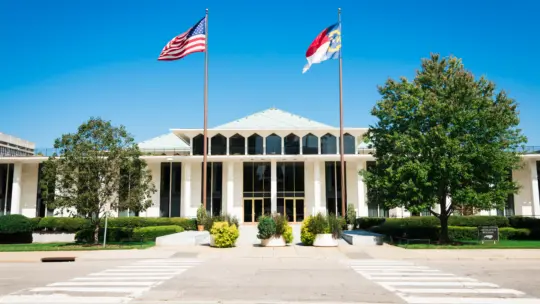

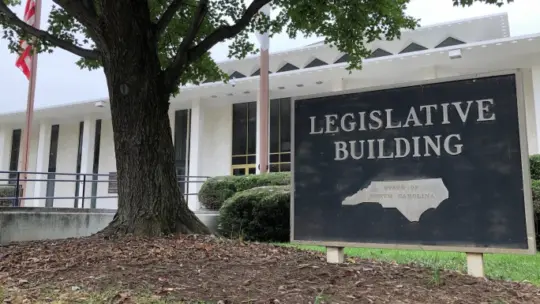
Anticipating a wave of potential claims related to COVID-19 injuries, in a rare Saturday session the North Carolina Legislature passed legislation designed to limit civil liability for the health care industry, essential businesses, and emergency response entities. Governor Cooper signed the legislation this morning.
The immunity provided is limited to civil liability if certain criteria is met. It does not provide criminal immunity.
Healthcare
For the healthcare industry, the relevant portions of the legislation passed by the Senate are found under the “Emergency or Disaster Treatment Protection Act.”
The stated purpose of the Emergency or Disaster Treatment Protection Act (the “Act”) is to promote public health and safety by protecting health care facilities and providers in North Carolina from liability that may flow from arranging treatments for individuals and treating individuals during the COVID-19 pandemic.
The legislation does not limit immunity to patients with COVID-19 or COVID-like symptoms. If signed into law, the Act would grant immunity from any civil liability to health care facilities, health care providers, and entities having legal responsibility for a health care provider from negligent acts or omissions, provided the following three requirements are satisfied.
First, the arrangement or provision of health care services must have occurred during the COVID-19 emergency declaration period, which is defined by Executive Order 116 issued on March 10, 2020, and as may be amended.
Next, the arrangement or provision of health care services must have been impacted by a decision or activity flowing from the COVID-19 pandemic.
Third, the arrangement or provision of health care services must have been conducted in good faith.
The immunity provided does not apply when the act or omission constitutes gross negligence, reckless misconduct, or intentional infliction of harm. However, the Act expressly provides that acts, omissions, or decisions resulting from a staffing or resource shortage cannot be considered gross negligence, reckless misconduct, or intentional infliction of harm.
The legislation also affords immunity protection to organizations that have volunteered their facilities to aid the State’s response to the COVID-19 emergency unless the harm or damage complained of was caused by the organization’s gross negligence, reckless misconduct, or intentional infliction of harm.
The civil liability that can be avoided under the Act is for harm, which the Act defines as physical and nonphysical contact resulting in an injury or death to an individual, and damages, which are defined as economic or non-economic losses for harm to an individual.
Practical points and considerations concerning the Act:
- The Act does not provide carte blanche civil immunity.
- While the Act will preclude most lawsuits for malpractice or negligence, the Act does not preclude lawsuits that allege a heightened standard of negligent conduct or intentional misconduct.
- The Act may have yield litigation that does not trigger liability insurance coverage because of the allegations of heightened negligence or intentional conduct.
Essential Businesses and Emergency Response Entities
The final bill also provides limited civil immunity for essential businesses and emergency response entities which are providing goods or services in North Carolina. The immunity granted under the bill does not apply if the alleged act or omission constitutes gross negligence, reckless misconduct, or intentional infliction of harm.
For essential businesses, the bill grants immunity from civil liability for injuries or death alleged to have been caused by the customer or employee contracting COVID-19 while doing business with or while employed by the essential business.
Essential businesses are those determined by the Department of Revenue and Executive Order 121 to be essential. They include, among others, grocery stores and pharmacies, social services organizations, religious entities, financial institutions, health care, and critical supply chain manufacturers and distributors.
Emergency response entities are given immunity from claims by their customers/users/consumers for injuries or death alleged to have been caused by the COVID-19 pandemic or while doing business with the entity.
The bill expressly states that it does not preclude an employee of an essential business or an emergency response entity from pursuing workers’ compensation benefits under North Carolina’s Workers Compensation Act for an injury or death alleged to be the result of contracting COVID-19 while employed by the essential businesses or emergency response entity.
The bill provides that it expires when the COVID-19 emergency declaration is rescinded or expires.
Practical points and considerations concerning the bill:
- It does not provide blanket civil immunity.
- As drafted, it appears to provide immunity for emergency response entities for injuries or death alleged to have been caused while their customers/users were doing business with the emergency response entity even if unrelated to COVID-19.
- The expiration language raises questions as to what happens when a customer or employee does not rush to file suit, this portion of the bill expires by its terms, and the customer or employee – within the statute of limitations – brings a gross negligence or intentional tort claim? A strict reading of the statute would support that the immunity protections are lost once the COVID-19 emergency declaration is rescinded or expires. Given the purposes of the legislation, there is an argument to be made that the intent is to cut off immunity for acts or omissions occurring after the declaration is rescinded/expires rather than stripping away the immunity granted for acts/omissions that occurred while the COVID-19 emergency declaration was in effect.