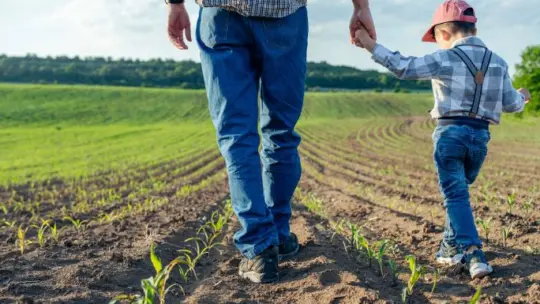


Strengthening the bond between farm and table, agritourism flourishes in North Carolina as both the agribusiness and agriculture sectors buoy the state’s economy with $100 billion.
Farmers seeking to diversify revenue and promote their brands are embracing agritourism, inviting visitors to experience farming operations.
However, some farm visitors may underestimate the potential risks of a farm environment. Farmers must take additional steps to protect their business and investments in the event of an injury during an agritourism visit. Beyond proper supervision, farmers should implement measures to mitigate risks.
Liability Limitations for Agritourism Businesses
North Carolina statute limits the liability of agritourism businesses, but only if the business posts the requisite warning using a sufficiently large font in a conspicuous location. The limitation of liability protects any agritourism professional from claims of liability for injuries or death sustained by a visitor from risks inherent to an “agritourism activity.”
“Agritourism activity” is defined “as any activity carried out on a farm or ranch that allows members of the general public, for recreational, entertainment, or educational purposes, to view or enjoy rural activities, including farming, ranching, historical, cultural, harvest-your-own activities, or natural activities and attractions.”
Payment is not a prerequisite for an activity to meet the definition of agritourism. Notably, “agritourism activities” also include animal exhibitions at agricultural fairs licensed by the Commissioner of Agriculture.
Conditions for Liability Protection
While the definition of “agritourism activity” is broad, the protections afforded by the statutory limitation on liability only extend to those who post the requisite waiver. Furthermore, the limitation on liability does not apply if the agritourism business or professional commits an act that is a willful or wanton disregard for the safety of a participant that leads to injury or death or if the business or professional has knowledge of a dangerous condition existing on the land or with an animal, which leads to the visitor’s injury.
These limitations on the available liability protections for agritourism businesses or professionals keep them from escaping liability for conduct that knowingly or recklessly exposes visitors to possible injury.
Importance of Legal Counsel for Agritourism Businesses
All agritourism businesses and professionals should work with legal counsel to ensure that they have posted the required warnings in the appropriate locations and that any liability waivers presented to tour participants or visitors also contain the warning language. Failure to do so could unnecessarily expose a farm to a potential claim for liability. This is an especially painful reality for farmers who do not charge for tours of their farms to discover.
Ward and Smith’s Agribusiness team is available to assist.