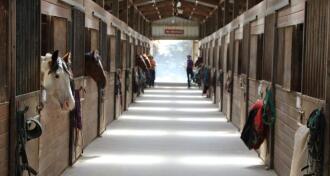
Running a horse boarding business comes with its share of challenges. One of the most difficult situations is when a horse owner stops paying board and effectively abandons their horse at the stable. The boarding operation is then left feeding and caring for the animal—often for months—without reimbursement.
Fortunately, North Carolina law provides some remedies to address these situations. Understanding your rights and following the proper steps can help you resolve the situation legally and protect your business.
Start with Your Boarding Contract
The first line of defense is always the boarding agreement. A clear written contract can save a stable time, money, and frustration later. Ideally, your contract should:
- provide when board is due and how board may be paid;
- include late fees or penalties for nonpayment of board;
- describe what happens if the owner does not pay, including your right to use North Carolina’s lien laws and abandonment laws; and,
- explain that you may recover the reasonable value of board.
If you do not already have a contract that includes this information, it is worth having an attorney review or update your agreement so it is tailored to North Carolina law, and provides ample protection to protect your interests.
The North Carolina Stable Keeper’s Lien
North Carolina law gives boarding facilities an agister's or stable keeper’s lien. This means that if the boarder doesn’t pay for board or other agreed services, you have the right to keep possession of the horse until the debt is paid, or in some cases, sell the horse to satisfy the debt.
Here’s how it works in practice:
- Hold the horse – You are not required to release the horse to the owner until they pay the reasonable value of board.
- Give proper notice – If the owner doesn’t pay, you can enforce the lien by selling the horse at a public sale. Before you do, you must go through the proper court process and provide statutory notice to the horse's owner.
- Apply the proceeds – Money from the sale goes first to cover unpaid board and the costs of the sale. Any surplus proceeds must be returned to the owner.
Each step of this process is governed by statute and must be followed carefully, but it provides a clear way for stables to recover unpaid fees and legally transfer ownership of ahorse whose owner is not paying board.
North Carolina Abandoned Livestock Law
In addition to lien rights, North Carolina has laws regarding abandoned livestock. These laws generally apply when livestock (which includes a horse) is placed in the custody of another person for treatment, boarding, or care; the owner does not retake custody of the animal for a certain period of time after the last time paying the custodian; and the custodian has made reasonable attempts to collect past due fees. The custodian may sell the animal by following the provisions of the North Carolina abandoned livestock laws.
Filing a Civil Claim
Another option is filing a claim in court for unpaid board. Generally, this might be done in small claims court if the amount sought is under $10,000. You can ask the small claims court judge to order the horse owner to pay what is due.
However, this option has limits. If the horse owner has disappeared or simply doesn’t have money, collecting on a court judgment can be difficult.
Negotiating with the Owner
Sometimes, an abandoned-horse situation can be resolved without formal legal action. If the owner is still in contact—even if they are behind on payments—you could:
- Set up a payment plan.
- Ask the horse owner to sign over ownership of the horse to you or someone else.
- Allow the horse owner to remove the horse if they pay a portion of what is owed.
These solutions can save time and money for both parties.
Why “Self-Help” Is Risky
One thing to avoid is taking matters into your own hands without following the law. Selling, giving away, or even rehoming a horse without following the proper statutory procedure can expose your business (or you individually) to claims of theft or conversion.
Even if the owner has not paid board in months, the horse is still legally their property until you follow the correct steps to transfer ownership. It is also important to remember that while the horse is in your care, you remain responsible for its welfare. Allowing the horse’s condition to deteriorate could expose you to liability under North Carolina’s animal cruelty laws.
Preventing Problems Before They Start
The best way to handle abandonment is to prevent it in the first place. North Carolina stables can take several precautions:
- Require written boarding contracts for all boarders.
- Collect board in advance or require deposits.
- Charge late fees and enforce them consistently.
- Address delinquent balances early, before they get unmanageable for an owner.
- Ask for references or a payment history if you do not know the horse owner, or consider securing their consent to run a credit check.
- Keep detailed records of payments, services, and communications.
These steps make it easier to enforce your rights if something goes wrong.
Final Thoughts
When a horse owner in North Carolina fails to pay board and abandons their horse, the stable is left in a tough spot—caring for an animal without getting paid. Fortunately, North Carolina law provides several viable remedies. The stable keeper’s lien is the most common remedy but others are available such as selling the abandoned horse or a judgment through small claims court.
Because some of the processes involve specific legal steps, it’s wise to consult an attorney before taking action. Doing so helps ensure your business is protected, your rights are enforced, and the horse is cared for properly.
With clear contracts, strong policies, and an understanding of North Carolina’s laws, boarding facilities can protect themselves and avoid being stuck indefinitely with costs associated with caring for someone else’s horse.