



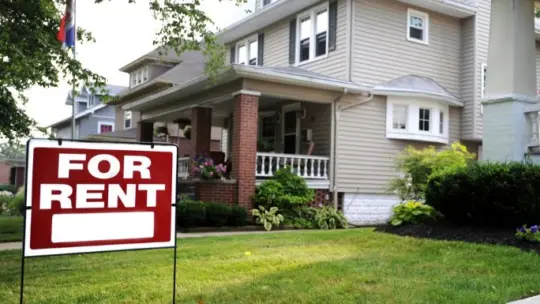
A landlord checks on a unit after the rent has not arrived for two months.
The mailbox is overflowing. There is no answer at the door. A neighbor mentions seeing a moving truck a few weeks ago. The unit is filled with furniture, dishes, clothing, and personal effects, none of which appear to have been touched in weeks. The tenant’s phone is disconnected. It certainly seems like the tenant has abandoned the property, but what should the landlord do about it?
For landlords – whether a large management company or an individual – the answer is not as simple as the situation suggests. There are strict statutory procedures that govern the process to protect both the landlord and the missing tenant. If a landlord tries to shortcut that process by changing the locks, removing personal property, or re-renting without strict adherence to the statutory framework, they risk being exposed to liability that often dwarfs the unpaid rent that prompted the inquiry in the first place.
The Basic Framework
North Carolina’s framework is largely procedural, and lays out a mandatory process of what exactly must be done, in what manner, and the exact timing. Two preliminary questions usually need to be answered before the statute applies.
First, has the tenancy actually ended? Abandonment is one way a tenancy can end, but it is not the only one. A tenant on a month-to-month lease who is two months behind on rent has not necessarily abandoned the property. On the other hand, a tenant who has surrendered the keys and provided a forwarding address has. Before acting on an assumption that the property has been abandoned, the landlord should assemble and document the evidence that supports that conclusion: the condition of the unit, the duration of the absence, the state of personal effects, communications with neighbors, and any contact with the tenant.
Second, has the landlord made reasonable efforts to contact the tenant? Sending notice to the leased premises is one step, but it is not the only one. A landlord should also take steps to try and contact the tenant if there is any known forwarding address, as well as alternative contact methods such as the last known phone number and email address. The reasonableness of the landlord’s efforts will help to strengthen their position if the determination of abandonment is later challenged.
Once an abandonment has been documented and the tenancy has ended, the landlord may proceed to address the personal effects and property left behind. The statute distinguishes between property of de minimis value (which may, after notice, be disposed of) and property of greater value (which must be held for a defined period, subject to notice and storage protocols). The specific procedural requirements — timing of notice, location of notice, holding period, sale procedure, application of proceeds — should be reviewed against the current statutory text before each event, because amendments and judicial interpretations have shaped the contours of the statute over time.
Importantly, landlords should resist the temptation to immediately throw out a tenant’s property. A landlord who disposes of a tenant’s personal property without following the statutory procedure can face potential liability for conversion and statutory damages that may exceed the value of the disposed property and the unpaid rent combined.
Documenting the Determination of Abandonment
The importance of documentation cannot be overstated. While the documentation evidencing the situation does not need to be elaborate, it should cover several recurring elements.
Condition of the unit. Dated photographs of the interior, the exterior, the mailbox, and the utility meters where visible. The condition of the unit at the time the landlord determines abandonment has occurred is the factual foundation for the determination. A photographic record made at that moment is far more persuasive than a recollection assembled months later.
Communications with the tenant. Copies of all written communication (letters, emails, and text messages) sent in the period before and after the suspected abandonment. This includes both the messages sent and received. Records of attempted phone contact, including dates and times, are also crucial to evidence the lengths a landlord has gone to in order to verify the tenant’s status. Landlords should also contact any cosigners on the lease.
Communications with neighbors and others. A neighbor’s statement that the tenant moved out three weeks ago is not legal evidence of abandonment, but it is part of the record that informed the landlord’s reasonable belief. If a neighbor or property manager is willing to provide a brief written statement, retain it.
Inventory of personal property. When the landlord enters the unit to inventory property left behind, the inventory should be made in writing, with dated photographs, and witnessed by a third party where practical. The inventory protects the landlord against later claims that valuable property was damaged or is missing. If items must be removed, after providing the appropriate statutory notice, they should be moved to a secure storage space, and once again inventoried.
Notice of abandonment and disposition. Each notice required by statute should be sent in accordance with the statutory requirements, retained in the file with evidence of delivery, and tracked against any statutory holding period that applies.
The HOA
For owners leasing units within a community governed by an HOA, abandonment introduces an additional set of considerations beyond ordinary landlord-tenant practice.
First, the HOA’s governing documents and rules may impose requirements on owner-landlords, including providing notice to the HOA when a tenant changes, or registering tenants with the HOA. If a lease violates HOA rules, for example, by being shorter than the minimum term permitted by the declaration, the owner-landlord may find itself in a fight with the HOA.
Second, the HOA may have a stake in the condition of the unit and the disposition of personal property. A unit left in disrepair affects neighboring units and the HOA’s common elements. A pile of furniture moved to the curb without authorization may violate trash-removal rules and create an enforcement issue between the owner and the HOA.
Third, the owner-landlord’s relationship with the HOA during and after the abandonment matters. Communicating with the property manager or board liaison early, explaining the situation, the steps being taken, and the expected timeline, generally produces better outcomes than presenting the HOA with a fait accompli after the fact.
Re-Possession and Re-Letting
Once abandonment has been documented, the procedure to dispose of personal property has been initiated, and the tenancy is properly terminated, the landlord may take possession of the premises. Common pitfalls at this stage include re-renting before the statutory holding period for disposal of personal property has expired, performing repairs that should be charged against the security deposit without proper accounting, and applying funds in ways that conflict with the statutory framework for security-deposit accounting.
Even when the tenant has abandoned, and the rent is unpaid, the landlord must account for the security deposit in the manner the statute requires, including providing the tenant with an itemized accounting at the address designated in the lease (or to the last known address if none was designated). A landlord who applies the security deposit against unpaid rent without providing the accounting may be exposed to statutory penalties.
Conclusion
Some abandonment scenarios may be handled by an experienced property manager who is familiar with the terms of the lease and applicable statutes. However, the statutory framework is detailed, requires precise timing and documentation, and does not provide room for mistakes. The cost of a brief consultation with counsel familiar with the applicable landlord statutes is consistently smaller than the cost of fixing a procedural defect after the tenant or the tenant’s successor surfaces a month or two later with a claim. While the procedural framework can be burdensome and slow at times, remember, it is in place to protect the landlord just as much as the tenant!